
Pool Deck Cleaning Safety Tips for Families in Cape Coral’s Humid Climate
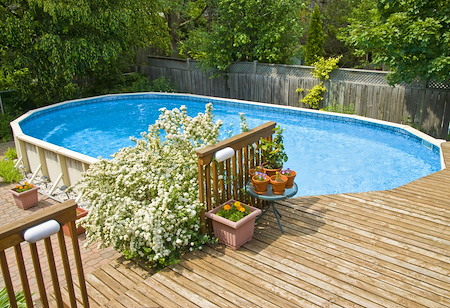
In Cape Coral, humidity and salt air can leave a slick film on concrete, pavers, and coated pool decks. That’s why families often choose professional pool deck cleaning using softwashing methods that focus on safety first. This guide shows how to protect little feet, paws, and bare soles while keeping your outdoor space fresh, bright, and ready for everyday life.
Pool Deck Cleaning In Cape Coral: Safety Priorities
Moist air near canals and the river feeds algae and mold on screened lanais and open patios. When that buildup mixes with morning dew, surfaces feel like ice. For households with kids, older adults, or frequent guests, slip resistance should be the top goal. Your plan should center on safe chemistry, low pressure, controlled rinse patterns, and enough drying time before anyone goes outside.
Neighborhoods like Pelican, Southwest Cape, Burnt Store, and around Cape Harbour often see shaded areas that stay damp longer. Shaded steps, cage corners, and the border near planters are common hot spots you should flag for your technician during the pre-walk.
Why Softwashing Is Safer For Your Family
Softwashing uses controlled low pressure paired with targeted detergents. The low pressure protects screen enclosures, acrylic coatings, and the sand joints in pavers. It reduces overspray and the chance of forcing water under door thresholds or into lanai walls. With proper dwell time and a neutralizing rinse, softwashing lifts organic growth so it can be washed away at gentle PSI. That helps restore texture for better traction without roughing up the surface.
It also limits flying debris. Heavy blasting can pop loose joint sand, flake coatings, or send grit toward pool water. Softwashing techniques aim to keep everything steady, quiet, and family friendly.
Safe Chemistry For Kid-Friendly Pool Deck Cleaning
Ask your provider about detergents designed for residential hardscapes and screened enclosures. The right blends target algae and mold but rinse clean. Look for products that are biodegradable and appropriate around pools when used as directed and fully rinsed. Your technician should control runoff, protect plants, and avoid drift into open water features.
Simple safety habits make a big difference for families:
- Keep kids and pets indoors while surfaces are wet. Curious hands and paws move faster than you think.
- Close windows and sliders during the application and rinse.
- Cover or move fabric items, pool toys, and metal furniture that may spot.
- Ask for a final neutralizing rinse near doorways and steps for added comfort under bare feet.
If you have allergies or sensitive skin in the household, let your technician know during booking. They can adjust dilution, choose a milder formula, or extend the rinse to meet your comfort level.
Scheduling Around Cape Coral’s Heat And Humidity
Humidity and pop-up showers shape the safest time to clean. Mornings offer gentler temperatures and longer drying windows. Your goal is to leave the surface undisturbed until it is completely dry and grippy again. A little planning helps:
- Book morning appointments so shaded areas get more daylight to dry.
- Pick a day with low rain chances to avoid re-wetting that slows dry time.
- Turn on ceiling fans in the lanai during and after the rinse to help airflow.
- Hold deliveries or yard care the same day to keep traffic off the deck.
If you are comparing options, you can learn more about pool deck cleaning in Cape Coral, FL and other services available through Royal Pressure and Softwash. Choose an appointment window that fits your family’s routine so supervision is easy while the surface cures.
Slip Resistance: Before, During, And After Service
Most families focus on how clean the deck looks, but traction is the real measure. Think of slip resistance as a chain made of several small links. Each link matters:
Before service: Share trouble spots with your technician, especially at steps, ladders, or where water often puddles. Move mats and toys so the crew can clean tight edges where slime loves to hide.
During service: Your pro should work in sections, guide rinse water away from door tracks, and leave high-traffic routes until last. That lets those areas dry longest before anyone needs to walk them.
After service: Give the surface full time to dry. Walk a small, shaded step first and do a quick “grip check” with a flat-soled shoe. If it still feels slick, let it air a bit longer. For coated decks, follow any curing notes your technician provides.
Two simple rules help reduce risk all year:
- Wear shoes with grip until the deck is fully dry.
- Do not let swimmers sprint from water to house on a just-cleaned deck.
Deck Materials And What Families Should Know
Pavers and travertine. Softwashing helps lift algae from pores and joint lines without blasting out sand. Your crew may suggest a gentle re-sand and seal at a later visit if joints are shallow.
Concrete. Older concrete can be chalky. Low pressure with the right dwell time cuts organic stains while protecting the paste layer that keeps texture consistent.
Acrylic or painted coatings. These look great but can scuff under high pressure. Softwashing lowers the risk of stripping. Ask your technician to test a discreet corner if the coating is aging.
Screened lanais. Cages trap humidity. A controlled rinse that runs away from tracks and thresholds helps keep interiors dry. Screens and aluminum frames benefit from gentle cleaning as well, which reduces transfer of grime back to the floor after service.
For a broader view of options around the home, explore our residential pressure washing services and talk with the team about the right cadence for your materials.
Local Red Flags That Tell You It’s Time To Clean
Watch for signals that safety is slipping:
Dark, green, or black film that returns fast in shaded corners. Mushroom-shaped spots where planters sit or where water drips from the cage. Rust rings from grills or metal legs. Salt-air haze near windward edges after breezy days. Any of these signs mean traction is dropping even if the color still looks okay.
Heavy pollen from nearby trees can also bind to moisture and form a slick skin. If a quick rinse no longer restores grip for a couple of days, it is time for a professional reset.
What To Expect From A Professional Visit
Your technician should start with a short walk-through and set expectations. They will move light items, protect plants as needed, and confirm how they will direct rinse water. Typical steps include a pre-rinse to cool surfaces, applying a deck-safe detergent to break down growth, and a timed dwell so the cleaner can work. Then comes a controlled low-pressure rinse and a final plant-friendly rinse where needed.
On family-focused jobs, crews often place cones or flags to mark wet areas after cleanup. Gates are checked, screens are latched, and furniture is returned when dry. You can ask your technician to knock before they leave so you can test a small step together. If you want a deeper dive into the process, see our dedicated page on pool deck cleaning service for what’s included and how we tailor visits for homes with children and pets.
Seasonal Care In Cape Coral’s Humid Climate
Stormy afternoons and high dew points can undo traction faster than in drier places. Families that host pool parties or have year-round swimmers may need a tighter cleaning cadence. Shaded lanais in Pelican or Yacht Club areas often collect fine debris from trees and canals, which bonds to moisture. Consider planning visits before holiday weekends or whenever houseguests will be using the pool so you have fresh grip and a bright, safe surface.
Managing an HOA or community pool in addition to your home? Our team can address those needs too. Explore commercial pressure washing for clubhouse entries, sidewalks, and patio areas that see heavier foot traffic.
Mold Removal Without The Worry
Mold and mildew love damp deck corners, but removal does not have to mean harsh fumes or high pressure. Softwashing pairs targeted cleaners with low PSI so growth releases without scouring. A thorough rinse and good airflow let the family return to the space comfortably. If anyone in the home is sensitive, request an extended rinse on door thresholds and step treads. Also remind kids not to handle railings or toys that may still be damp until you have checked them.
When needed, technicians can recommend follow-up sealing for pavers or concrete to slow future staining. Sealing is a separate service and timing varies by surface and exposure; your tech can advise when it makes sense based on your deck’s condition.
Choose A Family-Safe Team In Cape Coral
It is your home, your pool, and your peace of mind. With Royal Pressure and Softwash, you get a softwashing approach that respects your deck materials and your routine. We focus on slip resistance, careful chemistry, and clear communication at every step. If the kids are napping or the dog is anxious, tell us and we will plan around it.
When your family is ready, schedule your next pool deck cleaning and enjoy a safer, brighter lanai. Prefer to talk it through first? Call 239-258-4839 and a friendly pro will help you pick the right time and prep steps for your space.
Don't Wait! Get The Royal Treatment With Our Cape Coral Pressure Washing Specialists Today!