
Graffiti Removal on Stucco & Painted Masonry: What Works in Humid Climates
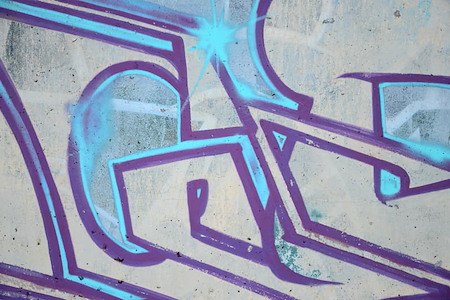
If you need graffiti removal in Cape Coral, FL, you face a hot, humid climate that pushes paint deep into stucco and block. That means the right chemistry, controlled heat, and careful rinsing matter more here than almost anywhere. The pros at Royal Pressure and Softwash use a humidity-ready process that protects your surface while lifting the tag, and you can learn how that process works below or go straight to our graffiti removal service page.
From Cape Harbour and Tarpon Point to corridors along Pine Island Road and Veterans Parkway, tags show up fast. Our goal is a quick response, a clean finish without etching, and a plan to prevent the next hit.
Why Graffiti Removal in Cape Coral, FL Needs a Humidity-Ready Plan
Cape Coral’s summer humidity and frequent afternoon showers slow drying and boost dwell time. Dyes and pigments can wick into stucco’s pores and into hairline cracks in painted masonry. Salt in the air near canals and the river can also leave a light film that interferes with removers.
In spots like the Cape Coral Parkway retail strip or neighborhood walls near the Yacht Club area, shade and moisture can keep walls damp for hours. That’s why timing, heat, and chemistry selection are tuned to the weather, not just the wall.
Stucco Versus Painted Masonry: What Changes
Stucco Walls: Texture, Porosity, and Paint
Traditional stucco is textured and porous. Overspray settles in the lows while the highs can be fragile. High pressure can crush the top coat or open new pores. Acrylic finishes behave differently from cement-based stucco, and painted stucco adds another film to consider. A gentle approach with controlled heat and rinsing helps lift pigment without shredding the texture.
Painted Masonry: Block, Brick, and CMU
Painted block and CMU are tougher than stucco, but still at risk for blown joints or raised edges if rinsed too aggressively. Alkyd and latex paints on masonry react differently to solvent choice. The key is to release the tag from the coating without swelling or softening the entire paint film underneath.
Chemistry That Targets the Tag, Not the Surface
Every tagger uses a different mix of spray paint, dye, or marker. Match the remover to the paint chemistry so it attacks the graffiti first and the wall last. On stucco, a too-strong blend can burn or discolor the finish. On painted masonry, the wrong choice can wrinkle the base coat. Test spots in a low-visibility area guide the final selection so the wall looks even when we are done.
Humidity affects chemistry, too. Slower evaporation can be good because it keeps the remover active, but it also raises the risk of streaking if the product is not managed. That is why our team controls dwell times and uses low-pressure rinses with measured passes rather than long blasts.
Heat, Dwell, and Low-Pressure Rinsing
Graffiti removal in our climate works best when three dials are set just right. They are adjusted for the weather, the surface, and the type of paint:
- Heat: Warm water helps break bonds without cooking the finish. Too much heat can set pigments deeper.
- Dwell: Enough time to let chemistry work, not so long that it dries or etches.
- Rinse: Low to moderate pressure with the proper fan tip to carry residue away safely.
Never blast stucco with high pressure. That can open micro-cracks and cause a patchy look you cannot hide with touch-up paint. For larger storefronts or HOA walls, pairing careful rinsing with commercial pressure washing keeps surrounding areas clean, so the final result looks consistent.
Killing the Ghost: How Pros Reduce Shadowing
Shadowing is the faint outline that lingers after the main color is gone. It shows up most on light stucco and flat paints. In Cape Coral’s humidity, pigments settle deeper, which is why shadowing is common after a standard wash. Reducing it takes measured chemistry, short repeat applications, and controlled agitation with soft tools that respect the finish.
Control heat and dwell time in humid weather to coax out the last bit of pigment without lifting the base paint. Where needed, we blend in light color correction so the cleaned area blends with the rest of the wall instead of flashing in the sun. For more surface care insights and seasonal advice, browse our pressure washing tips.
Protect It Next Time With the Right Anti-Graffiti Coating
After removal, a protective layer makes the next cleanup faster and gentler. There are two common families: sacrificial coatings that wash away during the next cleanup, and semi-permanent or permanent coatings that resist repeated tagging. In our hot, sunny climate, UV stability and breathability matter as much as repellency.
- Breathable options help moisture escape so stucco does not blister.
- UV-stable films resist chalking and yellowing on painted masonry.
- Low-sheen finishes keep walls from looking patchy in full sun.
Seal with the right anti-graffiti coating for the substrate so future tags release quickly and with milder cleaners. Many property managers along Del Prado Boulevard and around Chiquita Boulevard choose protective coatings on repeat-hit walls to limit downtime after a weekend tag.
A Local Process That Fits Cape Coral Weather
Afternoon storms are part of life here. Scheduling matters. Morning service lets chemistry dwell in steady conditions, and it gives walls time to dry before evening moisture returns. Wind channels near canals can carry overspray, so masking and precise application protect glass, trim, and landscaping.
Our technicians move from assessment to testing to a full clean in a tight loop, so decisions match what the wall shows in real time. That approach reduces rework and the chance of shadowing. It also keeps textures even, which matters on stucco facades around Cape Coral Parkway, where sunlight reveals every ripple.
Real-World Examples Across Stucco and Painted Masonry
On a stucco entry wall near Bimini Basin, a light-colored finish showed heavy marker lines. Instead of chasing the lines with more pressure, the team used staged applications with short dwell and gentle rinses. The texture stayed intact, and the finish color matched from edge to edge in the afternoon sun.
At a painted block service yard off Pine Island Road, overspray covered both the wall and a metal gate. The process split materials: a tuned blend and low-pressure rinse for the wall, and a separate, metal-safe approach for the gate. The result was clean lines without halos or chalking.
How We Keep Your Surroundings Clean & Safe
Good graffiti removal is not just about the wall. Runoff control and site protection matter in neighborhoods and retail centers. Plants near the base of stucco walls can wick chemistry. Windows and signage collect mist. Our teams stage tarps and shields, manage rinse flow, and keep walkways open so visitors and residents can move safely.
For large HOA entries and plaza fronts, we coordinate timing to avoid peak traffic on Cape Coral Parkway and Veterans Parkway. That keeps noise and disruption low while giving surfaces the dry time they need for a uniform look.
When Shadowing Needs Extra Attention
Some pigments cling hard, especially dark reds and blues. On flat paints, shadowing can appear as a dull stain. In those cases, the answer is patience, test patches, and smart chemistry rather than a stronger force. Multiple light passes often beat one aggressive attempt because they protect the finish while slowly releasing deeper color.
If a wall has been tagged and repainted multiple times, layers of coatings can trap stains unevenly. We evaluate whether a protective coating after cleanup will cut future risks. That helps prevent a cycle of paint-on, paint-off that leaves a wall patchy and tired.
Planning Ahead With Maintenance and Coatings
Property managers near Cape Harbour and along Del Prado Boulevard often pair periodic facade cleaning with protection on high-risk walls. That plan limits how far a tag can spread and makes the response faster. With the right clear coat, many future tags rinse away with light passes instead of full chemical cycles, which shortens downtime for storefronts.
If you manage a plaza, community wall, or municipal facility, saving time on the next tag is as important as removing this one. A coating program is the lever that makes that possible.
Ready for Fast Help in Cape Coral?
When walls get tagged, quick action is your best friend. You can head straight to our professional graffiti removal page to get scheduled. If you prefer to start at home base, take a look at our home page for pressure washing in Cape Coral, FL, and our team will guide you from assessment to finish.
Call Royal Pressure and Softwash at 239-258-4839 for fast, careful service that respects your stucco texture and your painted masonry. Our process is built for Cape Coral’s heat and humidity, and it shows in the even, clean results.
For broader exterior care across storefronts, HOA entries, and community walls, explore our commercial pressure washing services. We will help you choose whether a sacrificial or semi-permanent protective layer fits your wall and your maintenance plan.
Your wall does not have to live with shadowing. The right chemistry, timing, and protection remove tags and keep them from sticking around. One visit from our team sets you up for cleaner walls today and faster cleanups tomorrow.
Don't Wait! Get The Royal Treatment With Our Cape Coral Pressure Washing Specialists Today!