
Florida House Washing Guide: Protecting Stucco from Humid Climate Damage
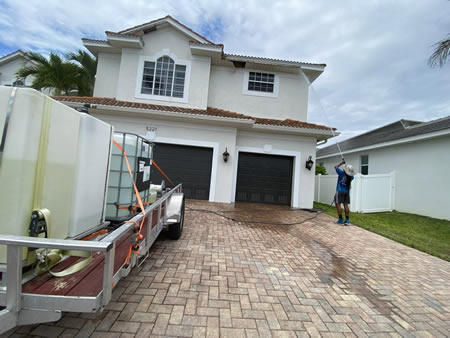
Florida is beautiful, but the same warm air and sticky humidity that grow palms and hibiscus also feed mold, mildew, and algae on stucco. If you want paint that lasts and walls that stay dry, consistent care is not optional. The simplest way to stay ahead is scheduling house washing with a team that understands our climate and stucco’s unique texture.
Stucco is porous, which means moisture and tiny spores settle into its surface. Over time, organic growth sends microscopic roots into those pores. That growth holds water against your paint film, creates hairline stress, and can push moisture toward tiny gaps in trim and seals. Left alone, you see chalking, paint peeling, and sometimes damp spots that invite more damage.
Use this Florida house washing guide from Royal Pressure and Softwash to protect your exterior between rainy seasons and keep your home looking fresh year-round.
Why Stucco Needs Special Care In Florida
Stucco’s textured finish has capillary nooks that trap moisture longer than smooth siding. In Florida’s subtropical air, that moisture becomes a landing pad for algae and spore colonies. As growth spreads, it can roughen the surface and widen micro-cracks. When heavy rain hits, water follows those pathways and can reach vulnerable edges at windows, bands, and soffits. Over time, paint loses grip in those stress points, which is why peeling often starts around trim and architectural details.
Salt near the coast adds another challenge. Salt crystals act like tiny moisture magnets. They draw in humidity, keep walls damp, and speed up staining. Inland homes avoid salt, but they still face long, humid afternoons and heavy storm bursts that keep stucco damp.
What Florida’s Humid, Rainy Months Do To Your Exterior
From late spring into early fall, afternoon storms and dew cycles keep surfaces wet. Warm nights slow drying. Shaded walls, canal-facing sides, and north elevations stay damp longest. That’s prime time for green and black staining on stucco and fascia. When growth thickens, water beads less and begins to cling. The result is more moisture contact time and a faster return of stains.
Local insight: Florida homes that back up to water or heavy landscaping often show early algae return on the first story and around screen enclosures. A well-timed professional wash before peak rainy weeks helps paint shed water faster and can add seasons to your exterior finish.
How Often To Wash: Coastal Vs. Inland Timeline
There is no one-size schedule for every home, but location and exposure set a smart baseline. To protect stucco, paint, and sealants, choose a frequency that stays ahead of organic growth rather than reacting after stains take hold.
- Coastal zones and canal-front homes: every 4 to 6 months to offset humidity, salt film, and daily sea breezes.
- Inland suburbs and lake communities: every 6 to 9 months where air holds moisture but salt is lower.
- Heavily shaded lots or older paint systems: tighten the cycle by one tier until the next repaint.
- High-traffic splash zones near driveways, sprinklers, or planters: add a targeted visit between full-home washes.
Examples across the state help set expectations. Gulf-side homes from Naples through Cape Coral and Tampa Bay fight salt-laced humidity and afternoon storms that hang over water. Atlantic coast homes from Jacksonville Beach through the Space Coast and Miami see sea breezes that keep walls damp longer. Inland areas like Orlando, Ocala, and Lakeland skip salt, yet frequent thunderstorms and warm nights still push a 6 to 9 month rhythm.
How Organic Growth Damages Stucco And Paint
On painted stucco, algae and mildew are more than surface stains. Their microscopic roots take hold in texture pits and fine hairlines. As colonies thicken, they create a living sponge that holds moisture against the paint layer. That constant wet-dry cycle stresses paint, lifting edges and dulling sheen. When water intrudes behind trim or at window bands, you may notice faint shadows, musty odor after storms, or tiny bubbles in the paint film. Catching this early with routine washing is the cheapest form of exterior protection you can buy.
Soft Washing Vs. Pressure: What’s Safer For Stucco
Stucco needs cleaning power that targets growth, not pressure that drives water into pores. Soft washing uses controlled flow and detergent blends that break bonds in the biofilm so a low-pressure rinse can carry it away. High pressure on textured stucco can widen hairlines or force water behind paint, which risks peeling. A soft wash by trained pros is the safe path for stucco, trim, and bands.
Coastal, Canal, And Inland Considerations Across Florida
Coastal neighborhoods see faster return of green staining on windward sides and under roof edges. Canal homes, common around Cape Coral and similar communities, trap humidity in lanai corners and along stucco bands. Inland cul-de-sacs collect pollen and dust after storm bursts that dry into thin films on lower walls. Each microclimate calls for slight adjustments to timing, but the goal stays the same: wash before growth builds roots in the stucco texture.
How To Read Your Home’s Signals Between Seasons
Watch for small changes that tell you it is time to schedule a visit with a pro. You are not cleaning it yourself, but you are the first to notice early signs:
- Green smudges on shaded stucco bands or around window trim
- Black drip lines on soffits and fascia after storms
- Chalky residue on light-colored walls where paint is oxidizing
- Salt crust or sticky film on coastal walls that never look fully dry
One or two of these signs across broad areas usually means growth is settling in. Waiting until walls look “dirty everywhere” shortens paint life and invites moisture problems.
Protecting Paint And Structure With The Right Schedule
The target is long paint life and a tight building envelope. When you stick to a predictable washing interval, you reduce the time moisture sits on stucco and give caulks and coatings the best chance to hold. Consistency matters more than chasing stains after they spread. Many Florida homeowners pair a pre-rainy-season visit with a fall refresh to keep ahead of growth and extend the time between repaints.
When you want details on method and materials that fit your finish, read this helpful post on how often to schedule house washing. It explains how climate, shade, and surface type shape your ideal timeline.
Connected Surfaces That Influence Stucco Health
Roof edges, gutters, soffits, and the top band of stucco carry runoff marks that repaint faster if stains remain. Pool screens and lanais can trap damp air against adjacent walls. Coordinating services for these areas limits drip lines and keeps the stucco dryer between storms. If you are mapping a whole-home plan, explore our residential pressure washing options to keep the entire exterior ecosystem working together.
What A Professional House Wash Includes
With Royal Pressure and Softwash, a trained technician evaluates exposure and finish before any cleaning. Plants, fixtures, and outlets are noted and protected. Detergents are mixed to target the organic load typical for your area and applied with care so they sit where the stains live. A low-pressure rinse then removes the broken-down biofilm without chewing at paint or stucco texture. The result is a clean surface that sheds water faster and gives your paint the best chance at a long life.
When you are ready, schedule professional house washing so Florida’s humidity does not get the first move next season. If you prefer to talk through timing by neighborhood, a specialist at Royal Pressure and Softwash can walk you through options at 239-258-4839.
Recommended Timelines By Region In Florida
Below is a simple, practical way to think about frequency without overcomplicating it. Each range is designed to stay ahead of growth so paint lasts and stucco stays tight.
- Panhandle and Big Bend: 6 to 9 months, watching shaded walls after summer storms.
- Gulf Coast from Naples through Cape Coral and Tampa Bay: 4 to 6 months, increasing attention to windward sides and salt film.
- Atlantic Coast from Jacksonville Beach through the Space Coast and Miami: 4 to 6 months, with a check of soffits and bands after daily showers.
- Inland hubs like Orlando, Ocala, and Lakeland: 6 to 9 months, tightening the schedule for heavy shade or mature landscaping.
Pro tip: Align your wash before the stickiest weeks of the year, not after. Clean surfaces repel grime and moisture better, so you stay ahead during the heart of the rainy season.
Ready To Protect Your Stucco In Florida’s Climate?
Florida homes age differently because humidity and storm cycles never let up. A predictable wash schedule led by a pro keeps your walls dry, your paint tight, and your curb appeal strong. If you want a plan built around your microclimate and stucco finish, Royal Pressure and Softwash is ready to help. Call 239-258-4839 or learn more about our approach to house washing for Florida homes.
When growth is pulling at your paint and water is sneaking into small gaps, fast action matters. Connect with our team today and book a visit that matches your coast, your shade, and your season.
Don't Wait! Get The Royal Treatment With Our Cape Coral Pressure Washing Specialists Today!